

WHERE THERE IS NO END OF THE GARDENING SEASON
Southern California Gardens Will Have a Lot Going for Them in the Next Many Months Before Spring
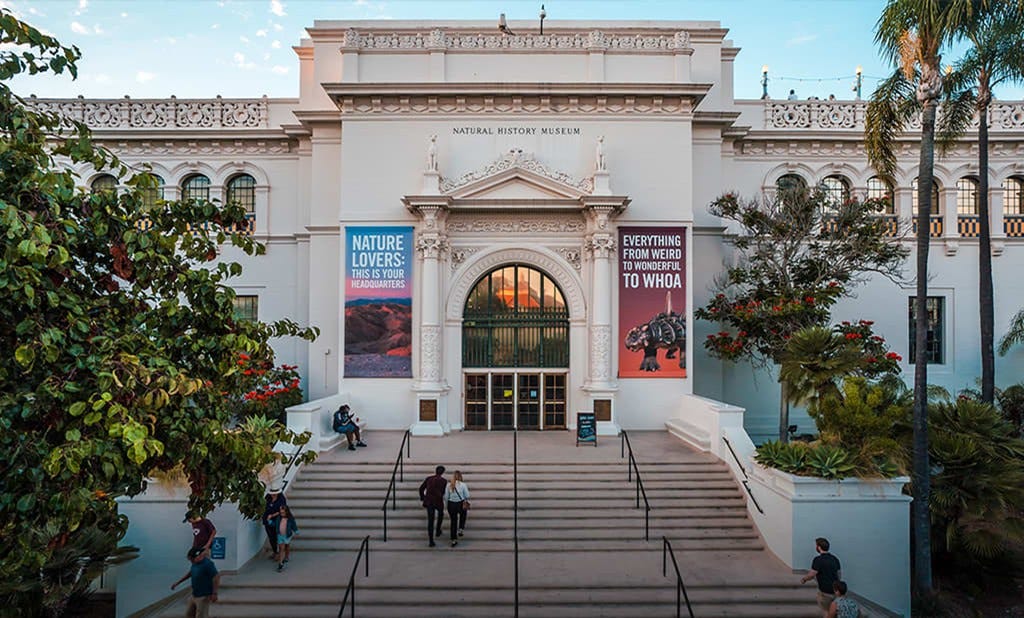
I grew up in San Diego. I gardened there. I did all my schooling there including a couple of years doing biology/botany stuff in college and then a couple more years to get my hort degree. I did even more gardening after that. And I learned about the “seasons” there (two: cool-wet and hot-dry), what plants grew there, and when they bloomed. What struck me, as much as anything, about the plants was that there was twelve months, 52 weeks, 365 days of bloom. Yes, and sigh, we took it for granted. In my defense, I didn’t know any better; at the time and at that age, I thought the climate of the rest of the country was pretty much the same, except maybe a little colder in some spots (I didn’t really travel until I reached the age of 27).
I’ve always been aware of plants, I’ve always “studied” plants, and more than anything, I’ve always wanted to know the names of plants, particularly the botanical names (oddly, I’ve always been bad on common names; go figure). San Diego is where this passion first bloomed (yes, pun intended). San Diego was overflowing with blooming plants.
Unlike most of the country, there wasn’t a time when any gardener in San Diego said, or says, “Time to put the garden to bed” or “I can’t wait until spring to see the flowers again.” Vegetable and fruit growing is a full time, all year hobby there. But the flowers, too, never stop.
This is true of all of Southern California as well as up the entire coast of the state and there are even a few winter bloomers in the interior big valley of the state. Of course, this isn’t just a California thing. A sumptuous winter garden show happens — or can happen — on the western side of the Pacific Northwest, in the southern part of the southwest states, around the Gulf coast into Florida, and up the Atlantic Coast of a few southern States.
I figure now’s the time to make all my northern-clime gardening friends jealous. I’ve done my best for the last many months to stick to a “national market” gardening audience. (International, too?) So focusing in on the plants of a very specific region is risky. Maybe I can hope at the least that it’s a distractingly vicarious experience for those who are not looking forward to the coming weeks of wearying COLD. For you Southern Californians, including my family and old friends, here’s an indulgence to make up for the last many months’ seemingly short shrift…
.
Why San Diego gardening is different…
Definitely a lot of Mediterranean-climate plants in San Diego and Southern California; it’s a Mediterranean climate* after all. And plenty of subtropicals (mostly from Mexico) and some true tropicals. The dry-summer parts of the Western States can grow a lot of Mediterranean plants (including its own natives, of course) and the summer-rain southernmost states can grow a lot of the subtropicals and tropicals. But Southern California has this distinctive (unique?) mélange of both.
[* Under the Köppen–Geiger climate classification system, the San Diego area has been variously categorized as having either a hot semi-arid climate (BSh in the original classification and BSkn in the modified Köppen classification with the “n” denoting summer fog) or a hot-summer Mediterranean climate (Csa).]
Most of western San Diego County is designated USDA Zone 10(b). The extreme coastal areas from La Jolla, Coronado, Ocean Beach, and south to Imperial Beach (on the northside of the border) are now considered Zone 11 (with average lows being 35 to 45°F. This is where they grow passionfruit (for fruit, not just the pretty flowers), bananas, cherimoya, and mangos. To put that into perspective, most of Hawaii’s Big Island is in Zone 11, along with the southernmost parts of Florida, notably the Florida Keys (such as Key Largo) and areas around Biscayne Bay.
Then there’s the climate zoning system of the Sunset Western Garden Book (the zoning system most accurate and most useful for Western gardeners). In this system, San Diego starts at the mildest of the Sunset zones: Zone 24 all along the very coast (I lived most of my life there on San Diego Bay, also 24). Much of the populated area, just beyond the coast, of the County is Zone 23. The valleys east of that are Zone 21 (with a couple of really hot, really cold spots designated 20). At the foothills, we reach Zone 18, then there are the Cuyamaca Mountains and the Laguna Mountains, and east of all of that is the desert (mostly SWGB Zone 13), a garden world unto itself.
I’ll say it again: winter is a big time, too, for vegetable growing in Southern California. It’s when all the key cool-weather crops are grown. It’s so mild in SoCal, in fact, that plenty of gardeners grow their beans and tomatoes right up to the very beginning of winter. No rest for the wicked, ay?
.
I’ve focused here on the distinctly Southern California plants. There’s plenty of overlap, of course. Many plants grown in SoCal also grow well in the Pacific Northwest and there’s probably a few (I can’t think of any off the top of my head right now, though) that grow in, say, New York.
In addition to the winter-flowering ability of these plants, almost all of them are evergreen; some are semi-evergreen, dropping their leaves due to stress (super cold or super dry). Even the perennials are evergreen, contrary to the popular concept of perennials in the rest of the country, where perennials are technically “deciduous herbaceous perennials” (the herbaceous top “dies” down for their winter rest). Speaking of perennials, there’s plenty of succulents, including cacti, here — a very southwest, dry-country kinda thing.
All of this is a walk down memory lane for me. There is so much more to the special plants of Southern California — but I’ve limited this article to the special winter bloomers.
.
TREES
Acacia – These are the tall, treelike species; bloom late winter into spring.
Acacia baileyana (COOTAMUNDRA WATTLE) — Bright yellow clusters of tiny spheres, sweetly fragrant.
Acacia dealbata (SILVER WATTLE, the one most commonly called MIMOSA) — Silvery foliage, groupings of little spikes covered in light yellow spheres, delicate fragrance.
Acacia decurrens (BLACK WATTLE) — Longer flowers stems with golden yellow spheres, warm floral scent.
Acacia podalyriifolia (PEARL ACACIA) — Bright yellow puffballs (“pearls”), delicate fragrance.
Acacia pycnantha (GOLDEN WATTLE) — Rich golden fluffies, sweet, floral, honeylike scent (it’s made into perfumes).
Keep reading with a 7-day free trial
Subscribe to Back to the NEW Basics of Gardening to keep reading this post and get 7 days of free access to the full post archives.