

WEED MANAGEMENT
The Proactive, Preventative Measures
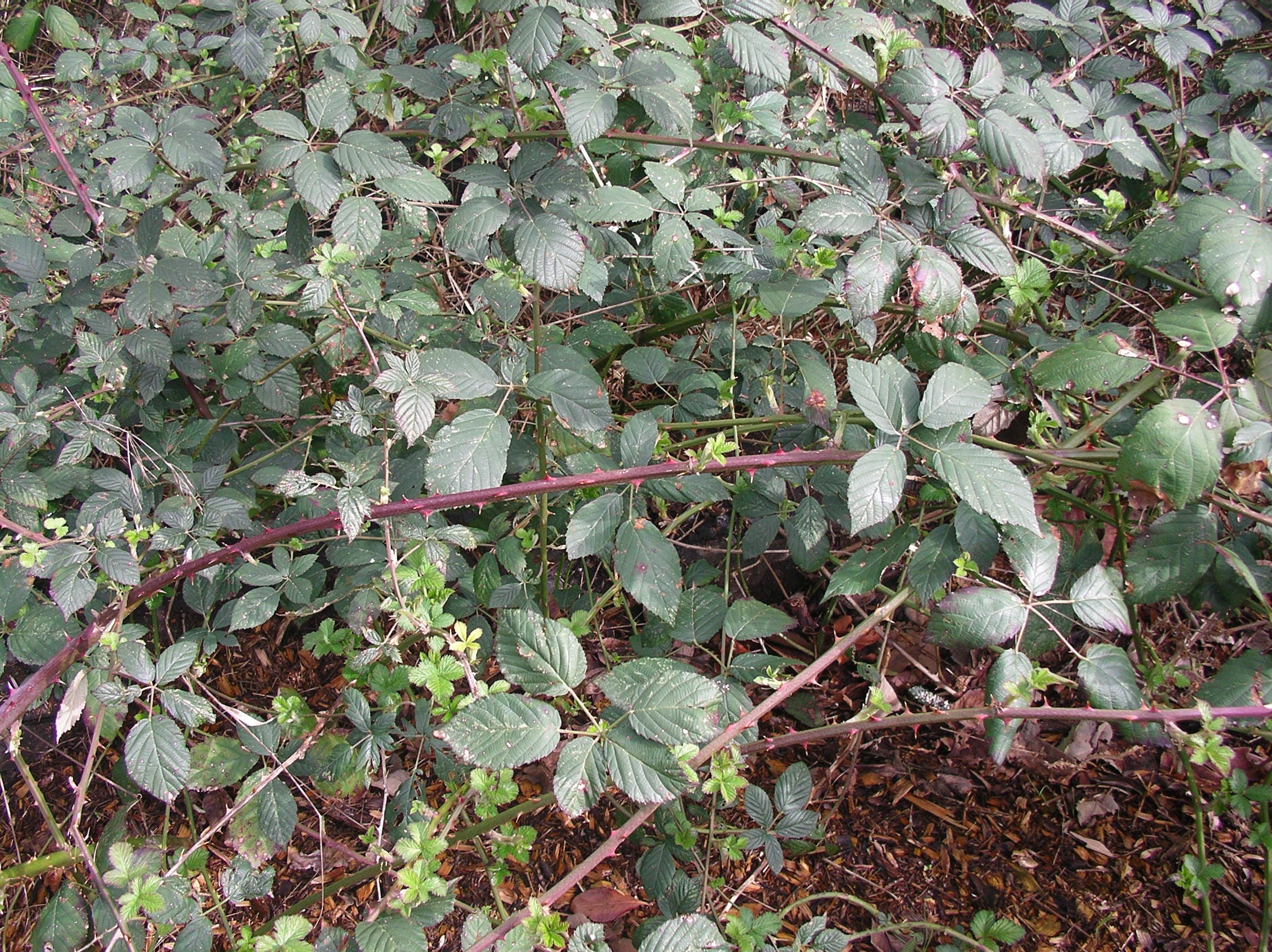
Spring is officially here. Time to garden. And now’s the best time to get ahead of weeds as a good start to the season.
Let me first say that possibly the biggest stumbling block to understanding the whole idea of weed management is language. The loose play with the key word started with biologist E. J. Salisbury who, in 1935, couldn’t come up with an all-encompassing scientific definition of the concept of “weed” so he ended up with the almost flippant “a plant out of place.” That was the best he could do.
Since then and because of Salisbury’s bewildered moment, this subject has become confusing and, indeed, controversial. It’s been too easy to declare that a “weed” is NOT out of place in one’s own garden, based on one’s personal likes. While others have a “scorched earth” approach to such plants.
Being “out of place” or “in the wrong place” doesn’t effectively define a weed any more than it defines any plant not placed correctly. Too many plants in too many home landscapes and gardens are “in the wrong place.” Too many trees are planted too close to the house, too many shade plants are planted in too much sun, and too many sun plants are planted in too much shade, and on and on. A tropical hibiscus in the ground of a Minnesota garden is unquestionably “out of place.” This makes them mistakes but it doesn’t make them “weeds.” Being in the wrong place is not, in itself, a key criteria for being a weed. A plant “out of place” is simply a plant in the wrong place. Biologists have a different definition of “wrong place” and it involves a “world” view (addressed later) — along with an inherent disposition and a particular mix of behaviors.
On the other hand, being unwanted doesn’t automatically make a plant a “weed.” Many native plants try their darndest to reestablish their sovereignty in the disturbed landscape from which they’ve been ripped, those bare pieces of ground of your garden. Certainly not “weeds” and yet many gardeners happily yank such volunteers from their gardens.
Weeds should not be defined by a popularity contest nor romantic quotations (there are so many posted on social media). Declining to apply the word “weed” to a plant that one considers “beautiful” does not make it any less ruthless or troublesome (as explained in the following “the non-romantic reality…”). Accepting it as something of intrinsic value does not make it act less like a weed; indeed, almost all weeds have some “value” if you research hard enough. But the ultimate ecological consequences of a weed go beyond the human value judgement.
The non-romantic reality of a weed is that they are survivors:
They tend to produce lots of seed — sometimes tens of thousands of seeds per plant.
Their seed can sometimes survive for an awfully long time in the soil, going dormant but then sprouting just as soon as conditions are right. Simply disturbing the soil is often enough to create those conditions.
They are able to establish themselves quickly. Sometimes they seem to crop up in the blink of the eye.
They often have mechanisms that enable them to spread easily, such as the ability to reproduce vegetatively, without seeds.
They have come here from other parts of the world without their natural predators and diseases; hence they persist better than natives and most garden plants.
They can grow in inhospitable locales where more desirable plants typically wouldn’t survive; essentially capable of occupying sites disturbed by human activities.
More than that, weeds are ruthless:
They compete for nutrients, water and light, leaving non-weed plants starving or malnourished.
They compete for space, leaving little room for desirable plants to grow properly.
They serve as alternate and primary hosts for plant diseases.
They provide shelter for pests upon which to overwinter.
They often have thorns or other physical features that can make them difficult to remove.
Many produce chemical substances that are toxic to other plants (allelopathy) and sometimes toxic to animals or humans.
Fast-growing weed tree species can accelerate carbon cycling. They incorporate carbon into their tissues faster than native plants. But they also decompose more readily, increasing carbon release back into the atmosphere. Additionally, many of these non-natives amp up the highspeed decomposing entities of the soil, resulting in further carbon loss.
They suppress regeneration of prairies, woodlands, waterways, and other native areas. Their allelopathic abilities minimize the growth of their competitors. Altogether, this leads to decreased diversity in natural habitats. These are the most insidious of the weeds; these are the ones labeled as “Invasive” by the entities charged with managing such plants.
And possibly the most detrimental impact:
They can interfere with or outright suppress the extraordinarily beneficial mycorrhizal connections among plants. Grassy weeds are especially adept at putting the kibosh on edaphon. Dandelion roots produce an acid that essentially starves mycorrhizae of iron. Some cunning weeds have the talent of tricking mycorrhizal fungi into giving up their carbon, which fundamentally takes it away from native plants.
New research shows the weed-mycorrhizae relationship to be more nuanced. A converse situation is where some mycorrhizal fungi inhibit some weed species; current research is looking at the practical application of using introduced mycorrhizae to battle weeds. Nothing commercially available yet.
PLUS, your neighbor doesn’t want to eat them nor has time or money to have them cleaned up. And YOUR weeds will spread into your neighbor’s yard. They do that; they’re weeds.
.
A BETTER, BIOLOGICAL DEFINITION OF WEEDS
Biologists have put real, delineating words to weeds. Every academic and governmental entity that develops and administers weed laws and implements management strategies for weeds uses defining and enlightening terms such as “introduced” and “disturbed areas” and a host of synonyms for those two terms for virtually every weed. These two terms, the common denominators, are key.
Weeds are pioneer plants. Technically, pioneer plants are called “ruderal” species. Ruderal species are the first to fill in the spots left bare by natural catastrophes such as fire, flood, windthrow, avalanche ─ the “disturbed areas.” Of course “disturbed area” also refers to un-natural disruptions of the environment; examples include road clearing, farming, and yes, almost all of the processes that make up humans’ most popular and disruptive hobby: gardening.
Weeds, more precisely and more thoroughly, are NON-NATIVE ruderal species — they did not evolve with the species of our native eco-systems. These are the “introduced” plants. A foreign plant then is, in the big picture scheme of things, the true “out of place.”
Before foreign plants invaded the soils of America, we had NATIVE ruderal plants which did that same job of filling the niche whenever natural upheavals made a mess of things. These same native species, by the way, can become “weedy” in gardens in the same manner as the introduced “weeds” — you disturb that earth and you give them the opportunity to take back what is rightfully theirs. The gardener is welcome to dispense with them along with the foreigners. By this biological definition, though, they are not “weeds,” but rather native ruderals doing their job (Equisetum, or horsetail, is a good, common example). They are an essential part of environmental restoration and thence ecological succession. Ruderal communities form the “first vegetation layer” after soil disturbance, subsequently promoting the establishment of native species or more stable vegetation when disturbance frequency is reduced.
The non-native ruderals commandeer the natural process of quickly filling in disturbed bare spots to hold it all together. These non-natives do a more aggressive job, in a sense, of covering up, primarily because they are unhindered by the natural pests and diseases that kept them in check in their native lands of origin. Non-native ruderals are also more frequent, pernicious, and persistent when there is a less stable, less diverse native ecosystem surrounding a garden. Hence why urban gardens bear a preponderance of non-native interlopers.
Just to be clear, not all introduced plants are “weeds” nor do many have the potential to be weeds. Few good garden plants produce a lot of seed (although the occasional seedling volunteer may be welcome). Few of them produce a seed that can survive for long periods in the soil. Not many are apt to establish themselves quickly after germination. The vast majority of introduced garden plants do not have the ability to spread easily vegetatively — notwithstanding the fact that so many plants (not species) come via the over-the-fence traffic of neighbors pawning off pieces of plants that have grown too much, too fast, too robustly. And it’s a rare garden plant that can grow in inhospitable locales; essentially capable of occupying sites disturbed by human activities. In other words, only an insignificantly small number of ornamental and edible garden plants have the definitive abilities to act like “weeds.”
.
If you want to eat your weeds, as some gardeners profess to do, grow them as you do vegetables and then eat them. All of them. Just don’t let them escape your property to annoy your neighbor and, worse, disrupt the native plant communities.
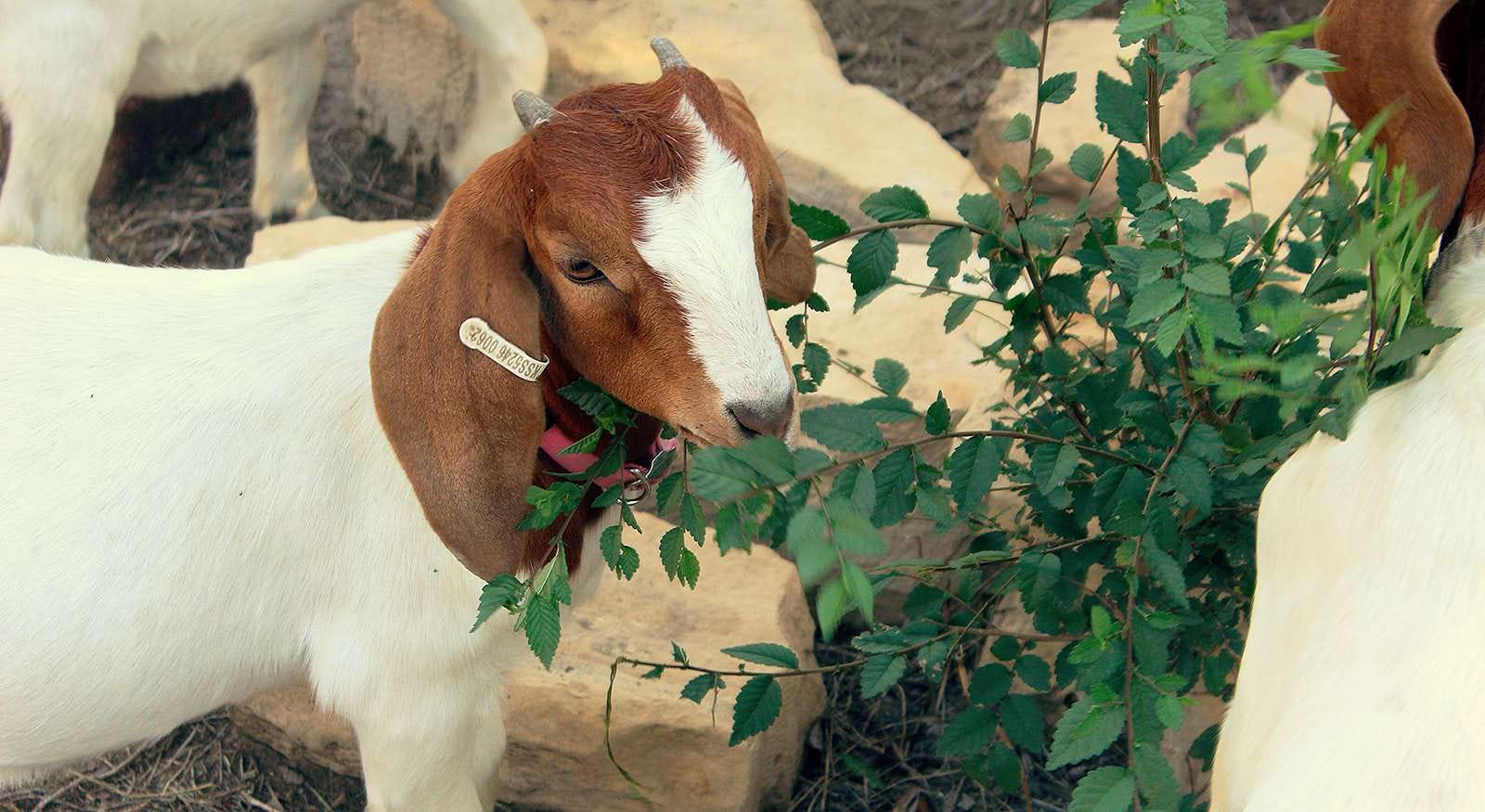
If you use some weeds for their “medicinal value,” — but not because someone said “it’s supposed to be good for whatever ails you” — grow them as a crop and use them (after having figured out how to extract them, infuse them, poultice them, or otherwise process them). Do not let these escape, either.
If you think you want to allow a weed to grow because the bees are attracted to it, consider the oh-so-many well-mannered garden plants and, better yet, native plants that do a more effective job of attracting pollinators.
Weeds are rather good at what they do (being weedy). They don’t need extra help from those who want to romanticize them.
Beyond our own responsibilities to our gardens, gardeners have civil responsibilities. We do not let surface drainage water from our own properties flood our neighbors’ yards. We do not spray pesticides of any kind during windy days. (Or better, we do not spray pesticides.) We do not plant trees that would overhang the neighbor’s patio. And so on. So why would we think to keep weeds to let them creep, blow, climb, or hitchhike on a bird into the surrounding environment, whether an adjacent landscape or the native woods?
Weeds are, indeed, “plants out of place.” But not in the way biologist E. J. Salisbury abstractedly claimed. It is not a matter of whose garden place they are in to be out of place — the place they are “out of” is their foreign place, the place across the oceans. It’s that “world view.”
.
MORE WORDS FOR WEEDS
“Weedologists” (the concocted word I use for those who study weeds) and various government agencies who are tasked with monitoring weeds have a couple of other, important terms for certain weeds: “invasive” and “noxious.” These are legal designations. They mean something specific and they indicate a significant level of impact, an impact beyond the garden plot.
Invasive weeds are those that establish, persist, and spread widely in natural ecosystems outside the plant’s native range. They were transported, either intentionally or accidentally, to an area where they did not exist naturally. Without their natural enemies to curtail their growth, they tend to overrun native plants and whole ecosystems. Their biggest impact is that they invade disturbed areas (remember the definition of “weed?”) and block the reestablishment of such areas by the native ruderal species, hence suppressing any actual restoration of the ecosystem. Hence why native plants, no matter their sometimes “weedy” behavior in gardens, is never technically labeled as “invasive.”
Gardeners often use the word “invasive” for any plant that “acts weedy” because of their prolific seeding nature or their robust ability to scramble about vegetatively. But that only clouds the bigger issue. There’s a whole vocabulary of words, some almost comical, that would be just as accurate but less confusing; I offer these up to inspire your creativity: pernicious, persistent, assertive, forceful, pushy, insistent, persuasive, re-seeder, happy volunteer, naturalizer, prodigious, formidable, deep-seated, determined, pain-in-the-butt, daring, unconquerable, intrusive, insidious, invincible, intimidating, and even the now politically-incorrect “thug.” Maybe even incommodious. But not “invasive.”
Noxious weed is the traditional, legal term for non-native plants that are so aggressive in open field habitats, they disrupt agricultural production and therein lies the immediately costly problem. These plants cost farmers, orchardists, and ranchers billions of dollars in control efforts and lost production every year.
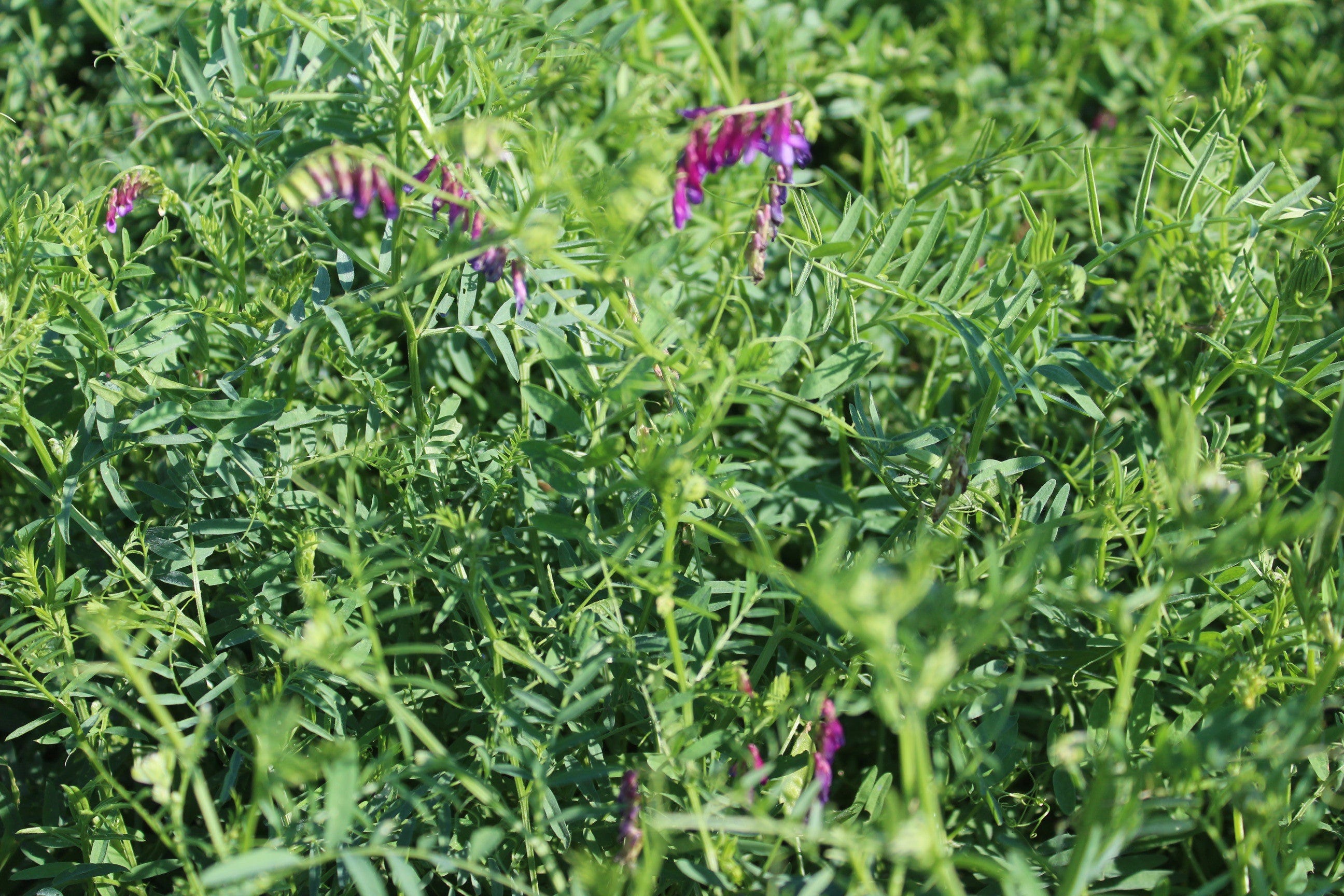
Paradoxically, several common agricultural cover crops (intentionally planted for several reasons including to suppress weeds) have themselves become “weedy” due to their aggressive growth, persistence, and/or difficulty in harvest termination. Examples of this are cereal rye, annual ryegrass, hairy vetch, and crimson clover, all considered “noxious” weeds in more than one state. Because of the unnatural and confusing dual nature of these plants, E. J. Salisbury used this ostensible contradiction to exemplify his “plants out of place” characterization. In doing so, he essentially dismissed poor plant selection and poor growing/harvesting techniques that allowed these plants to be the inherently ruderal plants that they are. It wasn’t a matter of place. Tip: if you have some reason for growing a “weed,” manage it; don’t let it get away from your garden to “spread the wealth.”.
While many weeds, including the aforementioned naturalizers, may be simply annoying to gardeners as a maintenance issue, the truly invasive and/or noxious weeds are a genuine threat to the natural resources, to the ecology, and to the economy of agricultural areas. It’s these species, foremost, that require attention, regardless of the popular vote.
A related note: Although many weeds are considered “indicators” of undesirable environmental conditions — annual bluegrass, for instance, grows when the air is cool and where soils are shaded, overly moist, and/or compacted) — the one common denominator condition for virtually all weeds is that the soil (and/or whole environment) has been disturbed. Unless the site is populated by several different species that would give a corroborative overlap of “indications,” it’s difficult to diagnose exactly what the environmental issue is based on one species. A flower bed full of annual bluegrass isn’t a prescription for tilling the soil to reduce compaction. Most weeds will grow almost anywhere and that “anywhere” is an area that has been disturbed.
.
PREVENTION IS THE MOST IMPORTANT PART OF WEED MANAGEMENT
It’s the bare and disturbed ground that allows weeds their place, their role. With that as a given, the primary way to prevent weeds THEN:
